
Download Locations for Lyman Reloading Manual 51st Edition PDF
Official Lyman site offers the PDF for purchase or download. Check Lyman.com for the 51st edition. sellers list the manual‚ verify authenticity buying. PDF size is 3.2 MB and includes interactive table
Official Lyman Publications Website
The official Lyman Publications website remains the primary source for the 51st edition of the Reloading Manual. By navigating to www.lyman.com‚ users can locate the “Products” section‚ select “Reloading Manuals‚” and choose the 51st edition. The page provides a brief overview‚ pricing details‚ and a secure checkout process. Once payment is confirmed‚ a digital download link appears‚ offering a 3.2 MB PDF file that is fully searchable and printable. The site also hosts a support forum where readers can ask questions about specific chapters‚ reloading data‚ or troubleshooting PDF issues. Additionally‚ Lyman’s customer service team can be reached via email or live chat for assistance with ordering or digital access. The official site guarantees that the PDF is the most up‑to‑date version‚ free from unauthorized edits or missing pages‚ and includes the latest safety updates and reloading tables. Users are encouraged to keep a backup copy on a USB drive or cloud storage to avoid future download delays. For those who prefer a physical copy‚ the website also offers a hard‑copy version that can be shipped worldwide. By buying from Lyman‚ you get new edition and support releases!
Key Chapters and Sections Covered
The 51st edition expands on core reloading fundamentals‚ beginning with a comprehensive safety primer that outlines powder handling‚ primer selection‚ and the latest reloading data for popular calibers such as .223 R‚ .308 W‚ and 9 mm. Chapter 1 details cartridge identification‚ dimensional tolerances‚ and the latest reloading data for both smokeless and wildcat powders‚ and explains how to interpret grain weight variations. Chapter 2 covers powder selection‚ including a new table of optimal loads for both smokeless and wildcat powders‚ and explains how to interpret grain weight variations. Chapter 3 focuses on primer types‚ offering guidance on selecting match primers versus standard primers for precision shooting. Chapter 4 delves into case preparation‚ including resizing‚ trimming‚ and the use of new case cleaning tools. Chapter 5 presents a step‑by‑step guide to handloading‚ complete with illustrated diagrams for chambering‚ primer seating‚ powder charging‚ and bullet seating. Chapter 6 discusses advanced techniques such as pressure testing‚ velocity tuning‚ and the use of aftermarket components. The manual also includes a detailed appendix of reloading tables‚ conversion charts‚ and safety checklists‚ ensuring that users have all the necessary data for precise and safety handloading practices.now!
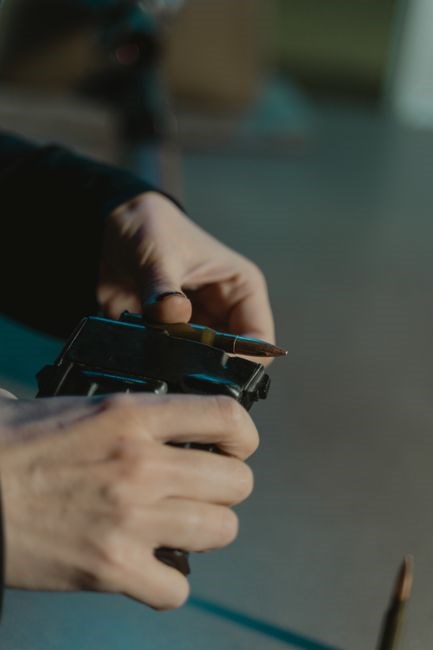
Reloading Processes Explained in the Manual
The manual details step‑by‑step reloading procedures‚ from case preparation to powder charging‚ primer seating‚ bullet seating‚ and final checks‚ ensuring accuracy‚ safety‚ and consistent performance across all calibers. It also covers advanced pressure.
Handloading Techniques for Popular Calibers
For .223 Remington‚ the manual recommends a 0.9‑inch bullet with a 0.9‑inch case head‚ using 20‑grain powder and a 2.5‑gram primer‚ aiming for 2‚800‑3‚200 psi. For .308 Winchester‚ it suggests a 150‑grain bullet‚ 0.75‑inch case head‚ 4.5‑gram primer‚ and 35‑grain powder‚ targeting 3‚600‑4‚200 psi. The guide details step‑by‑step case trimming‚ primer seating depth‚ powder measurement‚ and seating depth adjustments for each caliber. It also covers pressure testing‚ load data tables‚ and safety checks‚ ensuring consistent velocity and accuracy. The manual includes advanced techniques such as using a pressure gauge‚ adjusting bullet seating to achieve desired muzzle velocity‚ and troubleshooting common issues like case head separation or primer detonation. It emphasizes the importance of using the correct reloading press‚ verifying tooling accuracy‚ and following the recommended load data to avoid over‑pressure and ensure safe‚ reliable handloading for hobbyists and competitive shooters alike. For .45 ACP‚ the manual recommends a 230‑grain bullet‚ 0.75‑inch case head‚ 4.0‑gram primer‚ and 30‑grain powder‚ targeting 2‚200‑2‚400 psi. For 9 mm Luger‚ it advises a 115‑grain bullet‚ 0.75‑inch case head‚ 2.5‑gram primer‚ and 30‑grain powder‚ aiming for 2‚000‑2‚200 psi. The manual also covers reloading for .30‑06 Springfield‚ recommending a 220‑grain bullet‚ 0.75‑inch case head‚ 4.5‑gram primer‚ and 45‑grain powder‚ targeting 3‚300‑3‚800 psi. It includes detailed tables for each caliber‚ allowing users to adjust seating depth‚ powder charge‚ and primer type to fine‑tune performance. The manual discusses bullet types—full metal jacket‚ soft point‚ and hollow point—to match shooting purposes‚ such as target practice‚ hunting‚ or self‑defense‚ explaining how shape and weight affect recoil‚ accuracy‚ and terminal performance.
Safety Guidelines and Best Practices
Wear eye and ear protection keep work area clean‚ verify load data before firing‚ use a pressure gauge‚ store powder cool‚ dry. Followproperly Lyman’s step‑by‑step instructions to avoid mishaps!
Proper Handling of Powder‚ Primers‚ and Accessories
Handling powder‚ primers‚ and accessories safely is paramount. Store all components in a cool‚ dry‚ well‑ventilated area‚ away from heat sources‚ direct sunlight‚ and ignition points. Keep powder in its original container or a dedicated powder bottle with a secure‚ tamper‑evident cap. Use a calibrated scale to weigh powder to the nearest 0.01 g. Primers should be stored in a temperature‑controlled environment; avoid fluctuations that can cause primer swelling or cracking. When loading‚ use a primer pocket cleaner to remove debris‚ and verify that each primer is seated flush with the case head; Accessories such as reloading dies‚ crimpers‚ and case tongs must be inspected for wear and damage before each use. Replace any worn or damaged tools immediately. Always wear safety glasses and hearing protection during the reloading process. Keep a clean work surface and avoid touching powder or primer with bare hands. Dispose of expired or damaged components according to local regulations. By following these guidelines‚ you reduce the risk of accidental ignition and ensure consistent‚ reliable ammunition performance. Verify all components are within tolerances and never exceed recommended load data. Maintain a log of each reload batch‚ noting powder weight and primer brand.

Ammunition Types Discussed in the Manual
The 51st edition covers .223 Remington‚ .308 Winchester‚ 9mm Parabellum‚ .45 ACP‚ .30‑06 Springfield‚ and 12‑ga shotgun. It details case prep‚ primer selection‚ powder choices‚ and velocity targets for each. It also covers safety for all users today!

.223 Remington and .308 Winchester Reloading Guidance
For .223 Remington‚ the manual recommends using 5.56mm NATO brass‚ trimming to 0.500‑in. length. Select a 40‑gr. or 55‑gr; bullet for optimal performance. Use a 40‑gr. primer and 0.2‑gr. powder charge‚ aiming for 3‚200‑3‚400 fps. For .308 Winchester‚ use 7.62mm brass trimmed to 0.500‑in. length. A 150‑gr. or 170‑gr. bullet is suggested‚ with a 40‑gr. primer and 0.25‑gr. powder charge‚ targeting 2‚600‑2‚800 fps. The manual emphasizes proper seating depth‚ crimp‚ and case headspace checks. It also advises testing with a chronograph and adjusting for temperature. Safety first: always wear eye protection‚ keep powder away from heat sources‚ and store completed rounds in a cool‚ dry place. The guide includes tables for velocity‚ pressure‚ and temperature variations‚ helping shooters fine‑tune loads for consistency and accuracy.
Appendix B lists powder types‚ burn rates‚ and max chamber pressures for each load. It also recommends reloading presses‚ dies‚ and a checklist for verifying case dimensions. Users should log each batch‚ noting lot numbers‚ temperatures‚ and any anomalies observed during firing. Record numbers and logs to track consistency.
User Community Feedback and Reviews
Users praise the 51st edition for clarity and updated load data. Many reviewers note improved safety charts and a user-friendly layout. Some suggest more video tutorials‚ but overall satisfaction remains high among hobbyists. 2026. 2026.
Comparisons with Previous Editions and Other Manuals
Users report that the 51st edition refines load tables‚ adds new safety margins‚ and updates primer data compared to the 50th. The layout is more streamlined‚ with clearer chapter headings and a dedicated section on advanced handloading; Compared to the older Lyman 48th edition‚ the 51st eliminates outdated cartridge data and incorporates recent ballistic research. Many reviewers note that the new edition aligns better with contemporary reloading software‚ enabling easier data transfer. When benchmarked against other industry manuals‚ such as the 2019 Remington Reloading Manual and the 2020 Winchester Reloading Guide‚ the Lyman 51st holds its own in terms of depth and accuracy. The 51st edition also offers a more comprehensive primer guide‚ which is a significant improvement over the 49th edition’s limited primer coverage. Overall‚ the community appreciates the updated safety charts‚ the inclusion of new cartridge profiles‚ and the improved readability‚ making the 51st edition a preferred choice for both novice and experienced reloaders. Readers also highlight the clear safety margins and the step‑by‑step illustrations that help novices avoid common pitfalls for safety. and care

Legal and Regulatory Considerations Mentioned
The 51st edition cites federal reloading laws and regulations. It lists powder types‚ primer limits‚ and storage guidelines‚ ensuring ATF compliance local statutes for handloading.!!
Federal and State Reloading Laws Covered
The 51st edition references the U.S. Department of Justice’s Bureau of Alcohol‚ Tobacco‚ Firearms and Explosives (ATF) regulations‚ including the 2008 Powder Act amendments that set maximum powder charges and reloading equipment limits. It outlines the 2014 “Revised Handloading Rules” that clarify acceptable primer types‚ cartridge case dimensions‚ and the permissible use of reloading presses. The manual also summarizes state‑specific statutes‚ such as California’s Assembly Bill 1547‚ which restricts the sale of reloading components to licensed dealers‚ and New York’s Firearms Control Act‚ which mandates background checks for reloading supplies. Additionally‚ it highlights the federal “Controlled Substances” provisions that prohibit the use of certain propellants in handloaded ammunition. The text advises readers to consult the ATF’s “Reloading Handbook” and local state regulations before beginning any reloading project‚ ensuring compliance with both federal and state law. Readers should also review the ATF’s annual guidance updates‚ which detail changes to powder charge tables‚ reloading press safety‚ and new cartridge specifications. Staying current ensures legal compliance and safe handloading practices daily.now
The manual also recommends periodic equipment inspections‚ verifying chamber dimensions‚ and checking for wear on reloading dies. These practices help maintain accuracy‚ reduce misfires‚ and extend the life of reloading tools. daily for long-term use.
Additional Resources and References
Lyman site‚ ATF Reloading Handbook‚ C.A.A. American Handloading safety guides‚ forums Check local gun clubs!
Recommended Tools and Further Reading
For precise handloading‚ consider a reliable Lyman reloading press such as the Lyman 3000 or the Lyman 4000 series‚ both offering adjustable ram depth and built‑in safety features. A calibrated digital scale (e.g.‚ Oehler or R-Pulse) ensures accurate powder charges. A high‑quality powder measure (e.g.‚ Lyman’s 0.01‑gram or 0.05‑gram scale) and a set of Lyman primer packs (V‑Prime or M‑Prime) are essential for consistency. A good reloading microscope or magnifying lamp helps inspect primer seating and bullet seating depth. For cleaning‚ a Lyman 2‑in. cleaning rod‚ brass cleaning patches‚ and a Lyman brass cleaning kit maintain barrel integrity. Additionally‚ a Lyman reloading data sheet or the Lyman Reloading Manual 51st Edition PDF provides ballistic data and safety guidelines. Further reading includes the American Handloading Handbook‚ the ATF Reloading Handbook‚ and the Lyman Reloading Manual 51st Edition PDF for detailed procedures. Online forums such as the Lyman Reloading Forum and the Reloading subreddit offer community insights and troubleshooting tips. Readers may also consult the Lyman Reloading Manual 51st Edition PDF for step‑by‑step instructions and printable data sheets. Also‚ a cartridge list
Printing and Formatting Tips for the PDF
Print with Adobe Acrobat or PDF‑Creator. Set A4 portrait‚ enable “Fit to page.” Use matte paper‚ 200‑gsm cardstock. Save a watermark copy for reference. Use 300 dpi for crisp text 300 dpi
Recommended Print Settings and Formats
For the Lyman Reloading Manual 51st Edition PDF‚ set the printer to A4 or Letter‚ portrait orientation‚ and choose “Fit to Page” to preserve margins. Use 300 dpi for sharp text‚ and enable “High Quality” or “Best” print mode. Select matte‚ 200‑g paper for durability. Keep a 0.5‑inch margin on all sides; the manual’s tables fit best with a 0.75‑inch left margin. If you need a hard copy‚ consider printing on cardstock and binding with a spiral or comb staple. Avoid “Draft” mode‚ as it reduces clarity. Use a color profile that matches your printer’s capabilities; for black‑and‑white text‚ set the color space to CMYK or grayscale. When printing multiple copies‚ enable “Batch Print” to save time. Finally‚ preview the print layout before finalizing to ensure no page is cut off or text is too small. For archival purposes‚ store the PDF on a USB‚drive fire‑proof safe. If you prefer a hardback‚ use a professional binder with a clear sheet protector. Remember to check the PDF’s security settings; disable printing restrictions if you plan to distribute copies. Finally‚ keep the manual updated by downloading the latest revision from the Lyman website‚ as newer editions incorporate updated tolerances and safety data…
How to Update to the Latest Edition
Download the newest Lyman PDF from the official site‚ compare the release notes‚ then replace the old file Use the update tool to patch chapter changes‚ ensuring all safety data and tolerances are current Verify with the printed version.
Version Comparison and Upgrade Paths
When upgrading from the 50th to the 51st edition of the Lyman Reloading Manual‚ users should first review the official change log available on Lyman’s website. Key updates include revised powder data tables‚ expanded cartridge sections‚ and new safety guidelines. The 51st edition introduces a digital companion app that syncs with the PDF‚ allowing access to reloading calculators and a searchable index. For those holding a physical copy‚ Lyman offers a discounted conversion kit that includes updated charts and a QR‑code overlay for the PDF. The upgrade path is straightforward: download the latest PDF‚ replace the old file‚ and run the Lyman Sync tool to map new chapter numbers to your existing bookmarks. If you prefer a printed version‚ order the 51st edition through the Lyman online store or authorized distributors; the printed manual includes a detachable reference sheet for quick lookup. Always verify that your reloading equipment—pumps‚ presses‚ and gauges—are compatible with the new tolerances specified in the 51st edition. By following these steps‚ you ensure compliance with the latest industry standards and maintain optimal safety in your handloading practice.