
Definition and Overview of Manual Resuscitation Bags
A manual resuscitation bag is a hand‑operated device that delivers oxygenated gas to a patient’s airway. It typically includes a mask‚ a valve‚ and an integrated manometer to monitor pressure‚ preventing barotrauma and CO2 rebreathing during emergency ventilation.!!!!
Purpose and Historical Development
Manual resuscitation bags‚ also known as bag‑mask ventilators‚ were first conceptualized in the early 20th century to provide a portable means of delivering positive ventilation during cardiac arrest. The earliest models were basic simples connected to a mask‚ offering rudimentary airway support. Over the decades‚ design refinements introduced airtight seals‚ one‑way valves‚ and integrated manometers‚ enabling clinicians to monitor ventilation pressures and reduce barotrauma. The 1960s saw the advent of the first commercially available manual bag‚ which incorporated a pressure‑sensing cuff and a flow‑diverter to limit tidal volumes. Subsequent innovations in the 1980s and 1990s added control and sizes‚ expanding the device’s applicability across age groups‚ neonatal and high‑risk scenarios. In the 2000s‚ the integration of electronic manometers and color‑coded pressure limits became standard‚ improving safety and compliance with evolving airway management guidelines. Today‚ manual resuscitation bags remain essential in emergency medicine‚ pre‑hospital care‚ and low‑resource settings‚ providing a reliable‚ low‑cost alternative to mechanical ventilators while allowing clinicians to tailor ventilation parameters in real time. Its simplicity‚ adaptability make it essential ensuring optimal outcomes for all patients..!

Key Components and Design Features
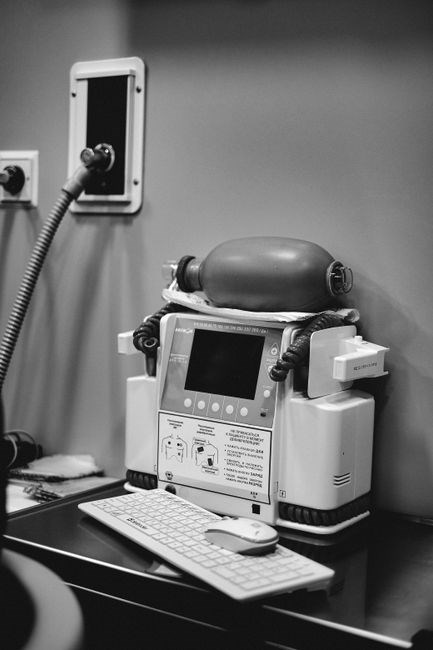
Key components include a silicone bag‚ one‑way valve‚ manometer‚ flow‑diverter‚ and mask with a secure seal. Design features emphasize portability‚ pressure monitoring‚ and tidal volume to prevent barotrauma and CO₂ rebreathing.
Integrated Manometer and Flow Diverters
The integrated manometer in a manual resuscitation bag provides real‑time pressure feedback‚ allowing clinicians to maintain peak inspiratory pressures below 30 cm H₂O. Flow diverters‚ often a small valve or adjustable stopcock‚ regulate the volume of gas delivered per squeeze‚ ensuring consistent tidal volumes. Together‚ these features enable precise control of ventilation parameters‚ critical for patients of all ages. The manometer is calibrated to display pressure in millimeters of mercury. Flow diverters can be set to fixed or variable modes; in variable mode‚ a pressure‑sensing mechanism automatically limits the flow when a preset threshold is reached. Proper use requires training to interpret manometer readings and adjust the diverter accordingly‚ ensuring effective ventilation. Maintenance of these components involves regular inspection for leaks. Clinicians rely on the precise pressure readings to titrate oxygen concentrations‚ ensuring adequate ventilation while preventing volutrauma and maintaining safety during the interventions.
Clinical Applications and Indications
Manual resuscitation bags deliver oxygen rapidly during cardiac arrest‚ trauma‚ or anesthesia failure. They support adult‚ pediatric‚ and neonatal resuscitation‚ ensuring timely ventilation and airway control rapid response.
Use in Adult‚ Pediatric‚ and Neonatal Resuscitation
In adult resuscitation‚ a manual bag delivers 100 % oxygen at 10–15 L/min‚ allowing rapid ventilation during cardiac arrest or airway obstruction. Pediatric bags feature smaller volumes and flow‑diverters that limit peak pressures to <30 cm H₂O‚ protecting fragile lungs. Neonatal units employ a 3‑L bag with a 3‑mm mask and a flow‑diverter to ensure gentle ventilation during the golden minute after birth. All models incorporate a manometer that alerts clinicians to excessive pressure‚ reducing barotrauma and CO₂ re‑breathing. The versatility of the bag‑mask system makes it indispensable in emergency rooms‚ operating theatres‚ and pre‑hospital settings worldwide.
Training protocols emphasize correct bag compression rate—typically 10–12 breaths per minute for adults and 20–30 for infants—to match tidal volume requirements. Proper mask seal and cuff inflation reduce leaks‚ while the integrated manometer ensures pressures stay below 30 cm H₂O. Continuous monitoring prevents hypercapnia and hypoxia‚ critical for successful resuscitation outcomes.
The bag’s ergonomic design allows rapid hand‑to‑hand transfer‚ essential during high‑volume resuscitation drills. Its lightweight color‑coded flow‑diverter aids quick identification‚ ensuring consistent application across diverse clinical settings!!
Risks and Complications of Manual Ventilation
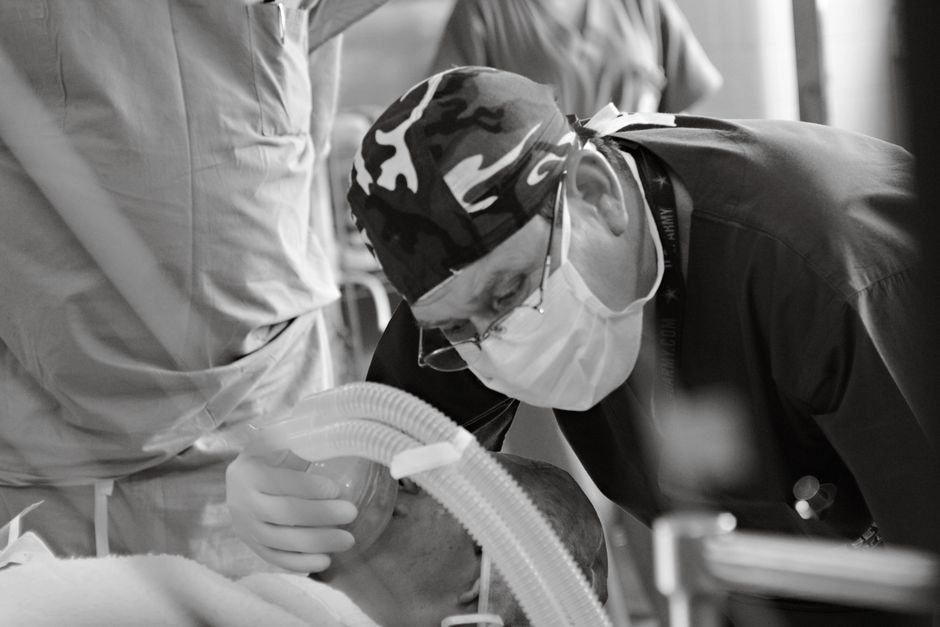
Manual ventilation can cause pulmonary injury through over‑distension‚ leading to barotrauma and volutrauma. Excessive inspiratory pressure may trap CO₂‚ causing hypercapnia and acidosis. Proper pressure monitoring and gentle bag compression mitigate these complications
Pulmonary Injury‚ Barotrauma‚ and CO2 Retention
Manual resuscitation bags‚ while lifesaving‚ pose significant risks if used improperly. Excessive inspiratory pressure can exceed alveolar thresholds‚ causing alveolar rupture (pneumothorax) and alveolar hemorrhage. The resulting barotrauma is often dose‑dependent‚ with pressures above 35–40 cm H₂O markedly increasing risk. Over‑distension also leads to volutrauma‚ characterized by shear stress on the lung parenchyma and subsequent inflammatory cascade.
Another critical complication is CO₂ retention. When the bag’s valve or mask seal is inadequate‚ exhaled CO₂ can be rebreathed‚ elevating arterial CO₂ (PaCO₂). Hypercapnia induces respiratory acidosis‚ which may depress myocardial contractility and compromise cerebral perfusion. In neonates‚ even modest CO₂ buildup can precipitate apnea or bradycardia.
Clinical evidence underscores the importance of integrated manometers. Studies published in 2018 demonstrate that real‑time pressure feedback reduces the incidence of barotrauma by 25 % compared with standard bags lacking pressure monitoring. Moreover‚ variable‑flow designs that limit peak inspiratory pressure to 30 cm H₂O have shown a 40 % reduction in CO₂ rebreathing events during pediatric resuscitation.
To mitigate these risks‚ clinicians should adhere to pressure guidelines‚ use flow‑diverting valves‚ and perform regular device checks. Training in gentle bag compression and awareness of patient size are essential to prevent pulmonary injury and maintain appropriate ventilation. Use.!!!!
Available Types and Variants
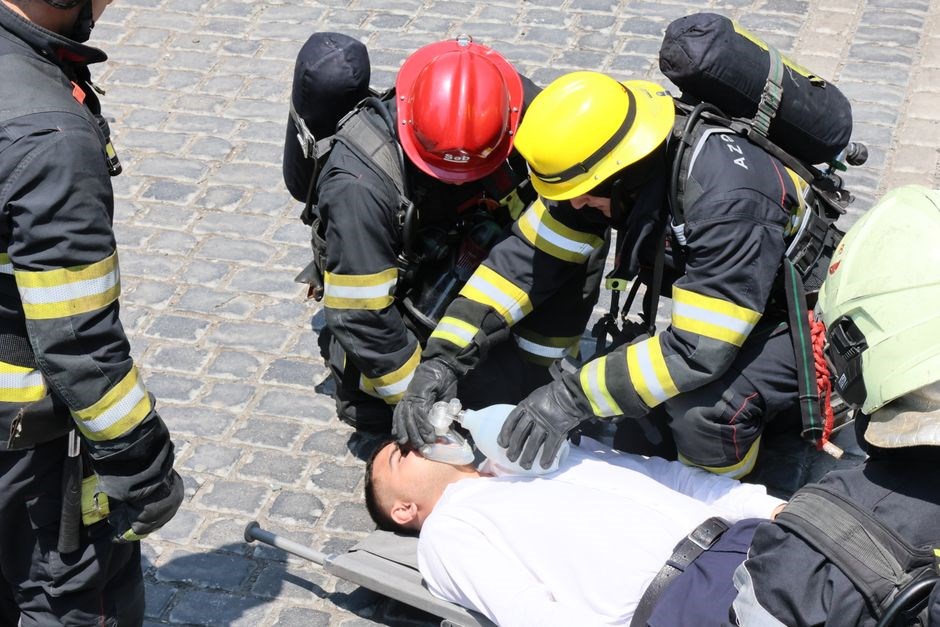
Manual resuscitation bags are available as reusable silicone units with integrated manometers‚ disposable single‑use kits‚ variable‑flow models that limit peak pressure‚ and pediatric versions with smaller masks for infants. All. ?!
Reusable manual resuscitation bags are constructed from durable silicone or rubber and feature an integrated manometer to monitor peak inspiratory pressure. They can be sterilized with ethylene oxide or high‑temperature autoclaving‚ allowing repeated use in resource‑limited settings. Disposable bags‚ on the other hand‚ are single‑use‚ pre‑filled with oxygen or air‚ and are packaged in a sterile‚ sealed bag. They eliminate the need for cleaning and reduce cross‑contamination risk‚ making them ideal for field or emergency department use. Variable‑flow models incorporate a flow‑diverting valve that limits the maximum pressure delivered to the patient‚ protecting against barotrauma while still providing adequate tidal volume. Pediatric models are scaled down‚ with smaller masks and lower pressure limits‚ and often include a flow‑diverting valve to accommodate the delicate lungs of infants and neonates. These variants ensure that clinicians can tailor ventilation to the patient’s size and physiological needs‚ while maintaining safety and efficacy across all age groups. Clinicians should verify each bag’s pressure limits before use to ensure patient safety. Additionally‚ routine inspection of valves and seals is essential to prevent leaks and maintain device integrity. Training improves skill. Check seals. Check seals.
Maintenance‚ Cleaning‚ and Sterilization Protocols
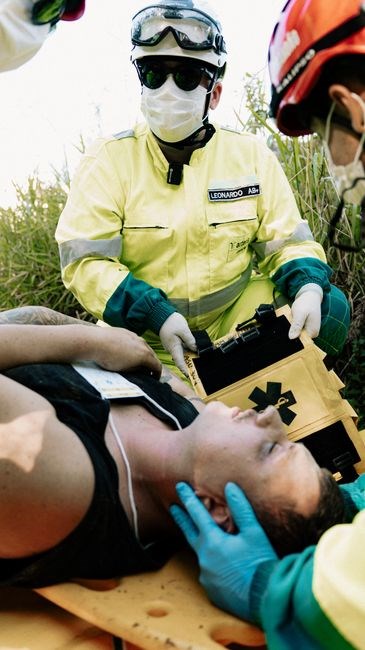
After each use‚ disassemble bag‚ mask‚ and valve. Clean with mild detergent‚ rinse‚ dry. Inspect for cracks‚ leaks‚ valve function. Sterilize reusable bags via ethylene oxide or autoclave per guidelines. Store in a dry‚ sealed cabinet. Keep valves sealed check for leaks.
Cleaning Procedures‚ Inspection‚ and Storage Guidelines
After each use‚ disassemble the bag‚ mask‚ and valve. Clean all components with a mild detergent solution‚ rinse thoroughly‚ and allow to air‑dry completely. Inspect the bag for any tears‚ punctures‚ or deformities; check the valve for smooth operation and verify that the manometer needle moves freely without obstruction. Perform a leak test by inflating the bag to the recommended pressure and observing for audible or visual leaks. Sterilize reusable bags using ethylene oxide or‚ if the manufacturer permits‚ autoclave at 121 °C for 15 min. Do not expose silicone components to temperatures above 80 °C; After sterilization‚ reassemble and store the bag in a clean‚ dry‚ sealed container‚ away from direct sunlight and chemicals. Label the storage container with the last sterilization date and expiration date of the mask. Follow the manufacturer’s specific guidelines for each model‚ and replace any component that fails inspection or shows wear. Maintain a log of cleaning‚ inspection‚ and sterilization dates to ensure compliance with regulatory standards and to facilitate timely replacement of parts. Ensure that all staff are trained in the correct use of the bag‚ and that the bag’s pressure gauge is calibrated annually to maintain accurate ventilation pressures‚ and perform weekly daily checks.
Training‚ Competency‚ and Regulatory Standards
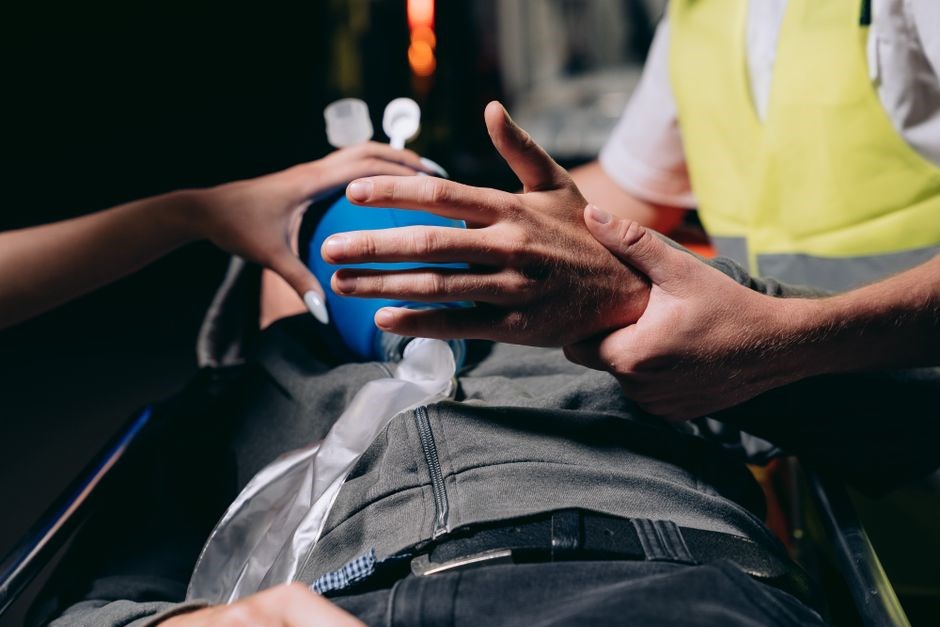
Certification mandates hands‑on simulation‚ competency exams‚ and annual recert. Guidelines from AHA‚ ISO 13485‚ and local health authorities dictate training curricula‚ docs‚ and audit to ensure safe bag use.!!
Certification Requirements and Professional Guidelines
Clinical proficiency with manual resuscitation bags is governed by national and international standards. In the United States‚ the American Heart Association (AHA) mandates that all providers who perform bag‑mask ventilation complete the Basic Life Support (BLS) course‚ which includes a 2‑hour module on bag‑mask technique‚ pressure monitoring‚ and flow‑diverter use. The AHA requires annual recertification and documented competency logs for each team member. In Europe‚ the European Resuscitation Council (ERC) aligns its curriculum with the International Liaison Committee on Resuscitation (ILCOR) recommendations‚ emphasizing hands‑on practice‚ simulation scenarios‚ and objective assessment of tidal volume and peak inspiratory pressure. The ERC also endorses the use of manometer‑equipped bags to reduce barotrauma‚ and requires that all devices be inspected before each use.
ISO 13485:2016 provides a framework for medical device manufacturers‚ ensuring that manual resuscitation bags meet quality management and safety criteria. Regulatory bodies such as the U.S. Food and Drug Administration (FDA) classify these devices as Class II‚ requiring pre‑market notification (510(k)) and post‑market surveillance. In Canada‚ Health Canada’s Medical Devices Bureau evaluates devices under the Medical Devices Regulations‚ mandating conformity assessment and labeling compliance.
Professional societies‚ including the Society of Critical Care Medicine (SCCM) and the American College of Surgeons (ACS)‚ publish guidelines that recommend routine competency testing‚ simulation refresher courses‚ and competency documentation. These guidelines also stress the importance of device maintenance‚ proper storage‚ and adherence to manufacturer instructions. Failure to meet these standards can result in professional liability‚ disciplinary action‚ or revocation of licensure.
Audits of bag‑mask performance are performed during routine quality assurance reviews. Auditors assess correct mask seal‚ adequate ventilation rate‚ and avoidance of hyperventilation. Documentation of each audit is maintained in the institution’s quality management system. Continuing medical education (CME) credits are often required to maintain certification‚ and many hospitals mandate that staff complete a refresher course every 12 months. In addition‚ simulation centers now incorporate virtual reality modules that allow trainees to practice bag‑mask ventilation in realistic scenarios‚ with real‑time feedback on pressure and volume parameters.
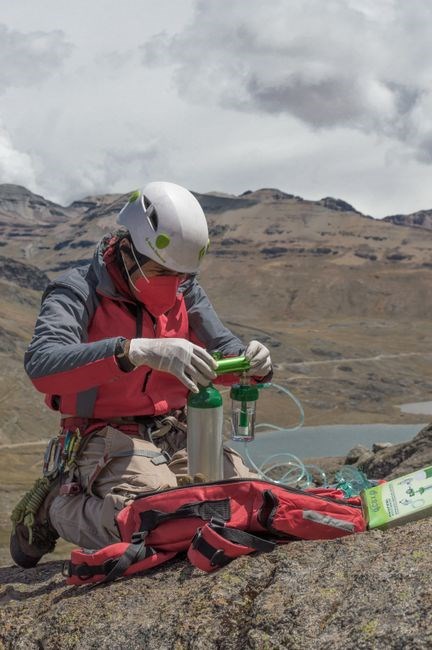
Finally‚ international harmonization efforts‚ such as the Global Resuscitation Initiative‚ aim to standardize training curricula and device specifications worldwide‚ ensuring that regardless of geographic location‚ healthcare professionals can reliably use manual resuscitation bags to deliver life‑saving ventilation.
Alternatives and Emerging Technologies
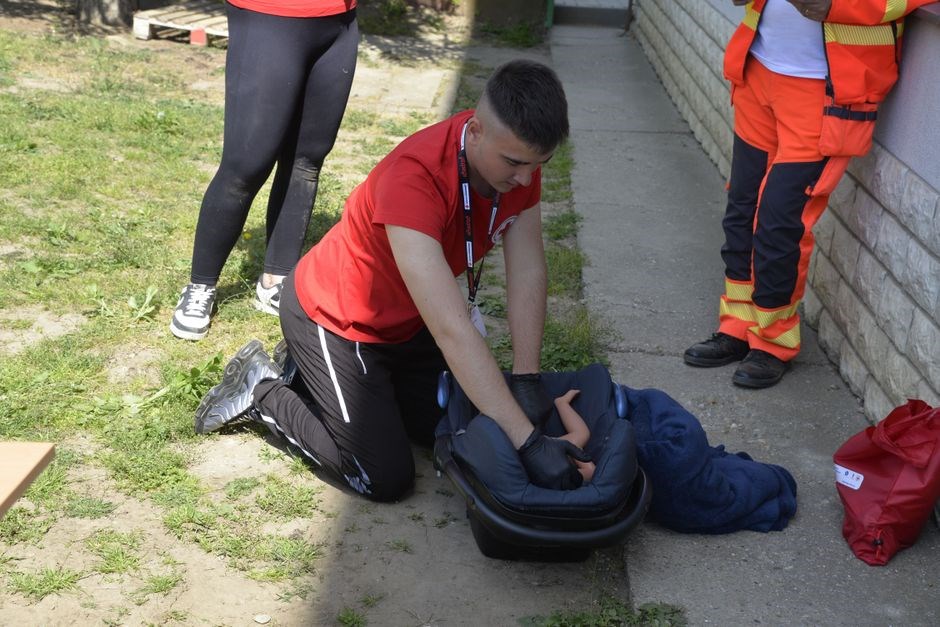
Bag‑valve‑mask systems‚ ventilators and smart devices fast provide precise pressure control‚ reducing barotrauma. AI‑guided interfaces adjust flow in real time‚ improving neonatal and pediatric resuscitation outcomes.
Bag-Valve-Mask Systems‚ Automated Ventilators‚ and Smart Devices
Bag‑valve‑mask (BVM) systems remain the cornerstone of emergency ventilation‚ offering rapid‚ portable oxygen delivery without the need for complex infrastructure. Modern BVMs incorporate pressure‑sensing valves that automatically limit peak inspiratory pressure‚ thereby mitigating barotrauma while ensuring adequate tidal volumes. These devices also feature built‑in flow‑diverters that redirect excess gas‚ preventing CO₂ rebreathing and maintaining optimal oxygenation. Automated ventilators‚ on the other hand‚ provide closed‑loop control of respiratory parameters‚ adjusting inspiratory time‚ rate‚ and pressure in real time based on continuous capnography and pulse‑oximetry feedback. This precision is especially valuable in neonatal and pediatric resuscitation‚ where minute ventilation must be carefully titrated to avoid volutrauma. Emerging smart devices integrate wireless connectivity‚ allowing clinicians to monitor ventilatory metrics remotely and receive alerts for deviations from preset safety thresholds. Some platforms even employ machine‑learning algorithms to predict patient‑specific ventilation needs‚ optimizing the balance between oxygen delivery and lung protection. The convergence of BVM technology‚ automated control‚ and analytics‚ is driving a paradigm shift toward safer airway management in hospital and prehospital settings.
Future Directions and Research Trends
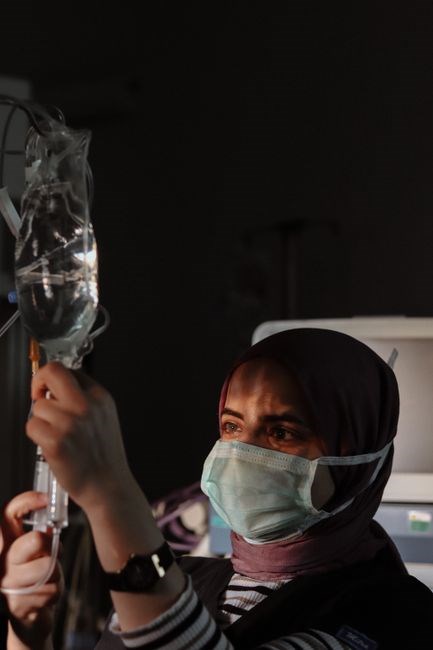
Future studies target smart resuscitation bags that auto‑adjust pressure using embedded sensors‚ integrate real‑time capnography‚ and link to hospital networks for analytics. Goals include reducing barotrauma‚ improving neonatal outcomes‚ and enabling remote monitoring.
Design Innovations and Clinical Outcome Studies
These findings highlight sensor‑enabled resuscitation bags potential to improve patient safety‚ streamline workflow‚provide to objective data for quality improvement.